Fairs 2026
Hanover Fair – April 20th to 24th 2026, Hanover
Cybersecurity Summit – April 28th to 29th 2026, Hamburg
ISX2026 – June 3rd Frankfurt, June 9th Munich, June 16th Hamburg, June 23th 2026 Dusseldorf
5th CSK SUMMIT 2026 – July 1st to 2nd, 2026, virtual
Cybersecurity Summit Hessen – August 13th 2026, Marburg Lokschuppen
it-sa 2026 – October 27th to 29th 2026, Nuremberg
protekt – November 10th to 11th 2026, Leipzig
E-world energy & water – February 16th to 18th 2027, Essen
SWISS CYBER SECURITY DAYS – February 23th to 24th 2027, Bern
Hanover Fair – April 5th to 9th 2027, Hannover
Cybersecurity Summit – April 21th to 22th 2027, Hamburg
AFCEA – May 25th to 26th 2027, Bonn
it-sa 2027 – October 2027, Nuremberg
April 2026

Hanover Fair 2026
Amidst innovations, machines, and future technologies – and suddenly the crucial question arises: How secure is it all, really? 🔐 That’s exactly what we should be talking about.
I’ll be at Hannover Messe 2026 – and I’m looking forward to connecting with you there! The trade fair is one of the most important meeting places for product innovations and new technologies. And one thing is clear: Cybersecurity is absolutely essential these days. 💻⚠️
📍 I’ll be in Hannover on Wednesday, April 22nd, and Thursday, April 23rd. 📞 Let’s have a spontaneous or scheduled chat – just send an email with a suggested time to m.betz@bcm5.de
I’m looking forward to engaging conversations, new perspectives, and real-world insights! 👉 Who else will be there and interested in discussing cybersecurity?
What if?
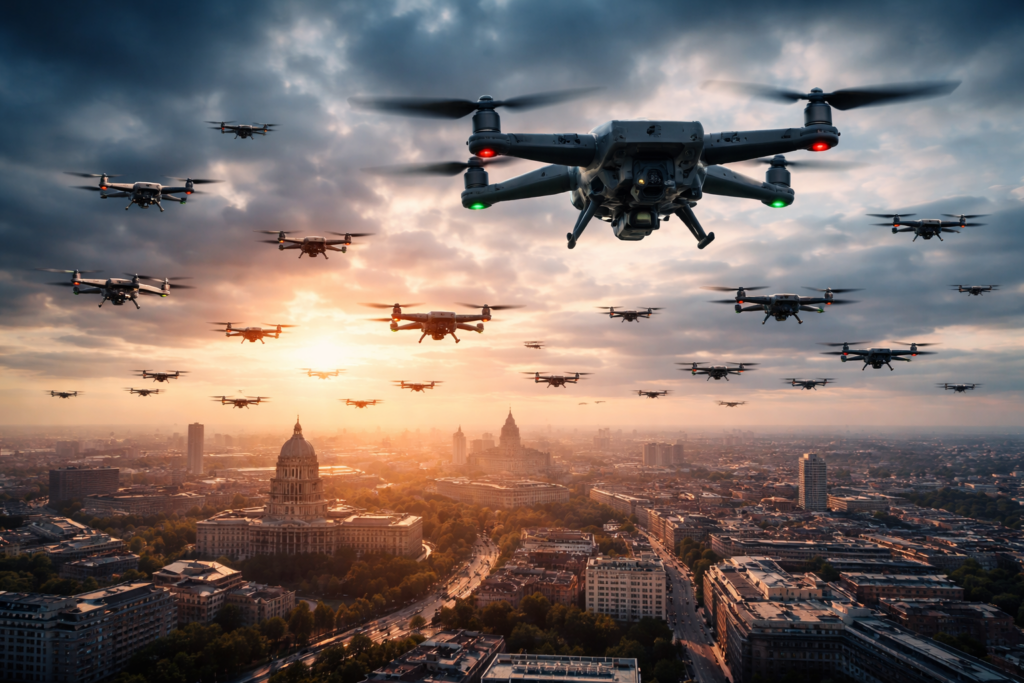
Drones fly undetected over a country. False corruption allegations spread virally and influence elections. A state creates artificial islands to secure power and resources… Sounds like breaking news – but it’s a scenario.
👉 Welcome to „Zero Day.“
On Monday, April 20, 2026, „Locked Shields,“ one of the world’s largest cyber defense exercises, began:
🌍 45 countries
👥 4,000 experts
🎯 One goal: Protecting critical infrastructure from highly complex attacks. In the „Blue Team,“ countries including Germany, Austria, Switzerland, and Luxembourg jointly defend systems such as power plants and air defenses against a highly specialized „Red Team.“
💡 The reality behind it: Cyberattacks have changed. No longer just simple DDoS attacks – but AI-powered attacks, fast, precise, and daily.
➡️ The answer? Defense is also becoming more intelligent: more AI, more collaboration, more innovation.
Cybersecurity is no longer just an IT issue – it’s a central pillar of our security.
🚨 Following cyberattacks on critical infrastructure in the US: Important warning for operators in Germany as well 🚨
According to recent reports from the US, hacker groups with suspected links to Iran are carrying out targeted cyberattacks on critical infrastructure. Industrial facilities accessible via the internet are particularly affected – including government, water supply, and energy sector facilities. ⚡💧🏭
The attacks aim to manipulate user interfaces and display false data. This can lead to significant operational disruptions and financial losses. The true extent of the attacks is currently unclear. ⚠️💻
Furthermore, recent incidents – such as an attack on the Director of the FBI – demonstrate the increasing professionalism and targeted nature of such actors. 🎯
👉 What does this mean for Germany?
These developments underscore the urgent need to further enhance the cybersecurity of critical infrastructure in Germany as well.
🔐 Recommendations:
– Review and secure internet-exposed systems
– Strict network segmentation and access controls
– Regular updates and patch management
– Raising employee awareness of cyber risks
– Preparation for emergency and response scenarios
💡 Conclusion:
Cyberattacks on critical infrastructure are already a reality and are evolving rapidly. Now is the time to review and strategically strengthen protective measures.
March 2026
🚨 Cyberattack on high-ranking former intelligence official – a warning for us all!
In mid-March 2026, it was revealed that Arndt Freytag von Loringhoven, former Vice President of the BND (Federal Intelligence Service) and NATO diplomat, had been the victim of a targeted cyberattack.
👉 He was tricked into revealing his PIN to a supposed support team via a deceptively authentic phishing message.
👉 The result: access to sensitive personal data.
👉 Similar attacks were also directed against government officials, military personnel, and journalists.
Investigators suspect a state-sponsored background – evidence points to Russian espionage. This has not been officially confirmed, but the case has been classified as „security-relevant.“
💡 The most important takeaway:
If even experienced security experts can fall victim, it can happen to anyone.
🛡️ Specific precautionary recommendations:
✅ Do not share sensitive data. Support will never ask for PINs, passwords, or codes.
✅ If in doubt, stop. If in doubt, always contact the official channel directly – do not reply via chat.
✅ Activate two-factor authentication (2FA). An additional layer of protection can be crucial.
✅ Learn to recognize phishing. Pay attention to pressure („act immediately!“), unusual requests, or slight variations in the sender’s address.
✅ Keep devices and apps up to date. Updates close known security gaps.
✅ Promote awareness within the team. Cybersecurity is not an IT task – it’s a leadership responsibility.
⚠️ My conclusion:
Cyberattacks are becoming more targeted, personalized, and convincing. Trust is becoming the biggest attack surface.

🚀 Good News: More Cybersecurity for Business!
In times filled with negative headlines – from economic downturn to layoffs – this development sends a strong positive signal:
💡The German Federal Government has adopted a new National Economic Security Strategy.
The goal:
🔐 Better protect companies against espionage, sabotage, and cyberattacks
🔗 Make supply chains and innovations more resilient
🛡️ Establish a high, shared level of cybersecurity
Particularly important:
👉 Strengthening protection against hacker attacks (e.g., through NIS-2)
👉 Improved cooperation between the government and the private sector
👉 Focus on SMEs, which often lack their own security structures
This strategy builds on the National Security Strategy 2023 and is a crucial step towards greater economic security and future viability.
February 2026

😾 Baden-Württemberg again: Following the attack on the state’s marketing campaign, „The Länd“ (as we reported), the Schorndorf children’s project „Forschungsfabrik“ has now been affected. 😾
Around 20,000 people are believed to have been affected by the cyberattack – email addresses, passwords, and location data were apparently stolen (see report).
❓ The crucial question is: How can organizations effectively protect themselves – and prevent incidents of this kind? ❓
Cybersecurity doesn’t begin in an emergency, but with proactive prevention. Now is the right time to act.
We support you with suitable security solutions – reliable, field-tested, and entirely made and hosted in Germany.
January 2026
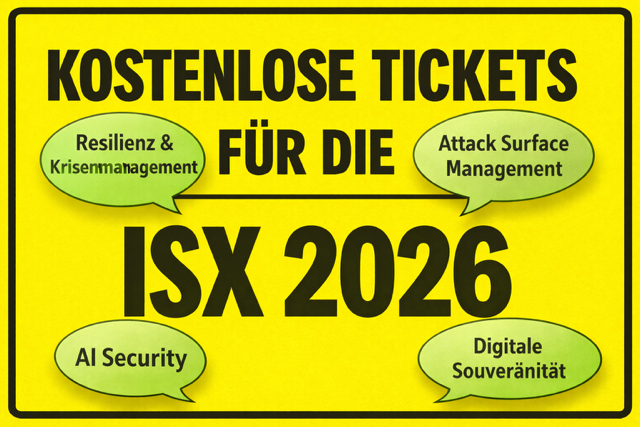
‼️ Free tickets for the ISX IT Security Conference in June 2026 in Frankfurt, Munich, Hamburg and Düsseldorf are available until January 31st 😄
In June, the ISX IT Security Conference will once again offer a mix of expert presentations and practical insights on highly topical cybersecurity issues, with ample opportunity for professional exchange. The target audience includes managers and service providers focused on IT security and cloud security, data security/data protection, IT consulting and integration, and (managed) security services.
Excerpt from the program:
RESILIENCE & CRISIS MANAGEMENT
Emergency Management • Cyber Incident Simulation • Business Continuity Plan • Crisis Communication • Human Resilience • Focus on Compliance: NIS2 and DORA • Focus on Supply Chain: Supply Chain Security & Vendor Risk Management
ATTACK SURFACE MANAGEMENT
Hacker Tools • Insider Risk Management • Hybrid Attack Scenarios • Prioritization of Security Measures • Microsegmentation • Managed Security Services
DIGITAL SOVEREIGNTY
Selection, Availability, Autonomy • Sovereign Security • Digital Sovereignty & Hyperscalers in Cybersecurity: Opportunities and Risks • Security Solutions from Europe/Germany
AI SECURITY
Attack Vectors • Manipulation of AI Agents • Cloud and Data Strategies for AI • Risk Scores, Firewall and Security Concepts • AI Guidelines • Technical Safeguards • AI-Powered Awareness Programs
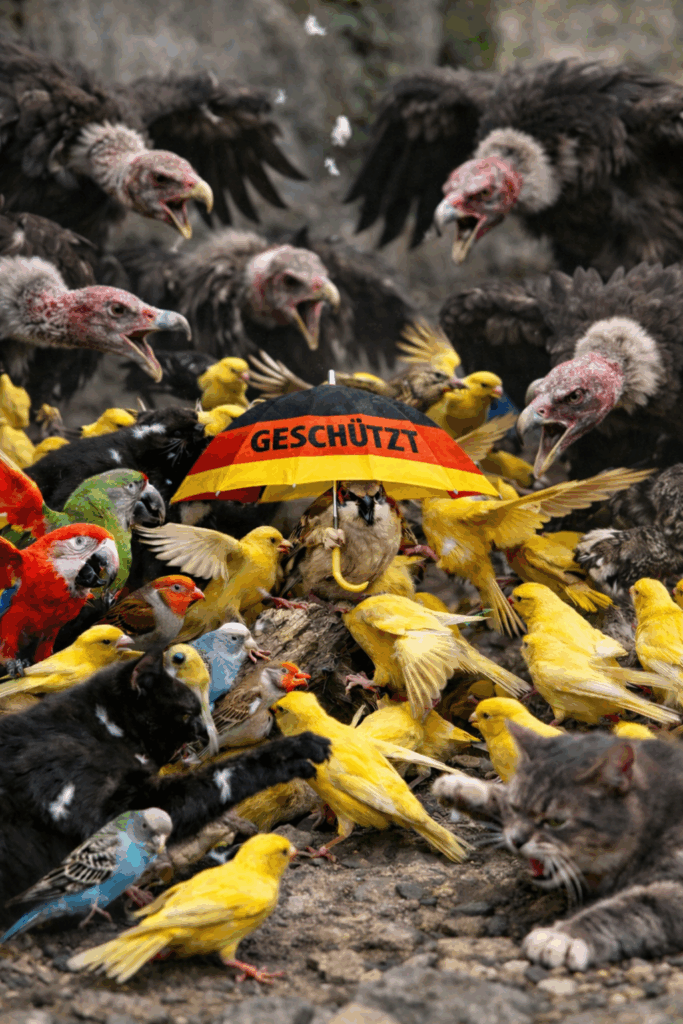
‼️2026 – The cyber threat landscape continues to escalate ‼️
AI-powered attacks, automated exploit chains, and highly professional cybercrime groups are massively increasing the speed, reach, and impact of attacks. Modern ransomware operates in a modular, lateral, and data-driven manner – focusing on exfiltration, persistence, and targeted extortion.
The figures for the end of 2025 are alarming: Since 2020, the number of successful cyberattacks has tripled, with an increase of 44.5% in 2025 alone (see press releases). Reported attacks include ransomware, data theft, supply chain compromises, unauthorized access, as well as AI-powered phishing and deepfakes that bypass traditional security mechanisms.
Critical infrastructure (KRITIS) is no longer the only sector affected. Attacks affect companies of all sizes and sectors – from industry and trade to SMEs and craft businesses. Hybrid IT, legacy systems, and a lack of transparency in the supply chain increase the attack surface.
With NIS-2, cybersecurity definitively becomes a management responsibility.
Resilient zero-trust architectures, continuous monitoring, incident response capabilities, and measurable security governance are required. Modern attacks no longer target individual systems but entire IT and OT infrastructures. At the same time, phishing campaigns and deepfakes are reaching a new level of sophistication through the use of artificial intelligence – traditional detection mechanisms are increasingly reaching their limits.
‼️ Cybersecurity is no longer an IT project – it’s a strategic resilience issue. ‼️
——-
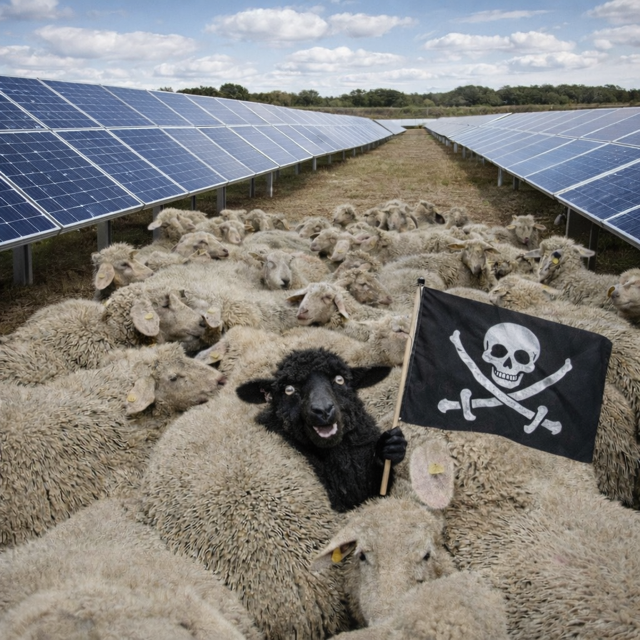
❓Are you sure that only reputable companies are using your solar parks?
More and more solar parks are supplying the necessary energy and playing a key role in Germany’s energy transition. This rapidly growing importance of photovoltaics simultaneously requires a greater focus on comprehensive security concepts. The rapid expansion significantly increases the need for action on the part of grid operators and municipalities.
With the increasing grid relevance of solar parks, the demands on their IT and OT security are rising. Many photovoltaic systems now perform functions that place them within the context of critical infrastructure.
The ongoing digitalization – for example, through networked inverters, remote maintenance, and monitoring systems – simultaneously increases the attack surface. Common vulnerabilities include unsecured remote access, a lack of separation between IT and OT, and outdated firmware.
The German Federal Office for Information Security (BSI) regularly warns of cyber risks in the energy supply sector. For operators and municipal utilities, this means that cybersecurity must be continuously and systematically integrated into operations
———
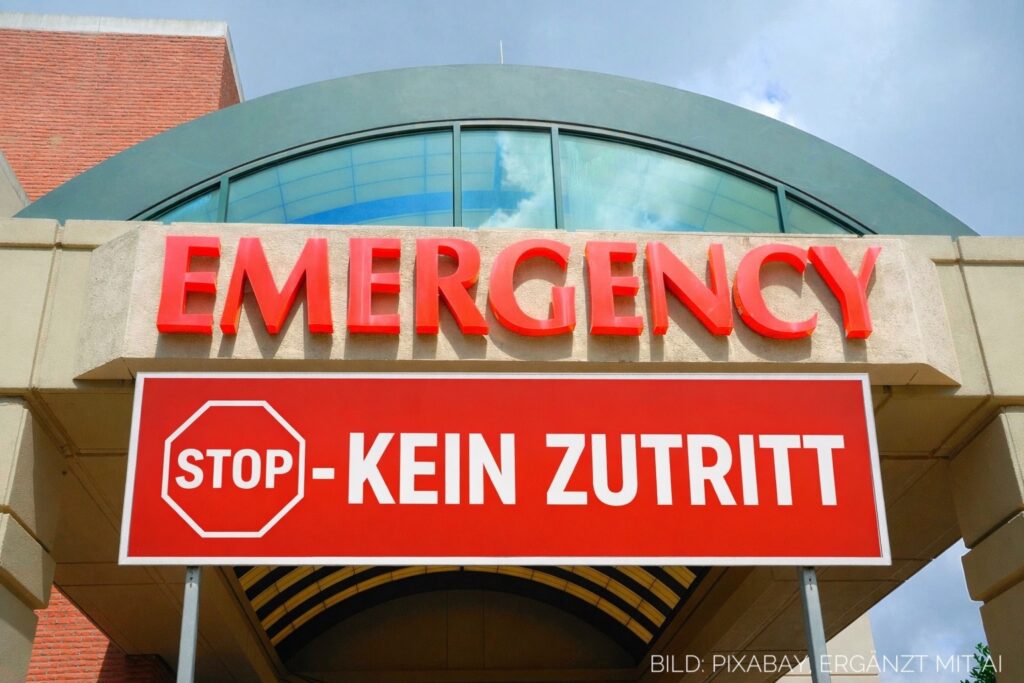
😾 Ruthless! No access for emergencies, no electricity in the freezing winter…
⚠️ Attacks on critical infrastructure affect innocent people.
Like the recent power outage in Berlin or the cyberattack on the Roth district hospital – the emergency room had to be closed!
People are left in distress, with no support – THAT is inhumane. Customers can hardly protect themselves in these and many other situations. The responsibility lies with the operators.
———————
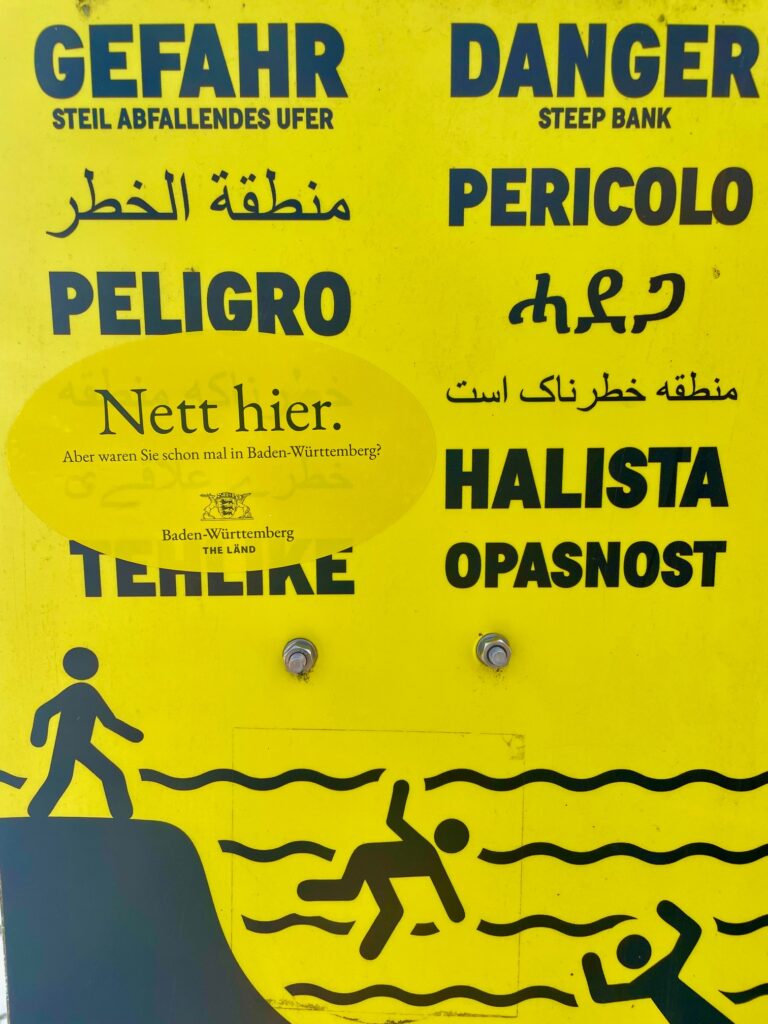
🔐 Embarrassing – Cyberattack on State Shop 🙀
The recent incident at the beginning of the year – a cyberattack on ‘The Länd’ – once again demonstrates that security vulnerabilities can compromise sensitive customer data. The online shop of the Baden-Württemberg state marketing campaign was attacked – and this was only discovered through customer reports.
👉 Shop operators also have a responsibility: IT security, regular updates, and preventative checks are not optional extras, but a legally binding obligation to their customers.
‼️ Data protection begins with prevention. Act now.
———————

🎆 Good vibes for 2026 – we wish all IT security professionals the best!
🔐 Greater awareness of cyber threats
🛡️ A sustainably high level of security awareness
🚨 Early and successful detection of attacks
👉 Use the start of the year to review your security strategy:
Are your awareness, detection, and response capabilities truly up to date with the current threat level?
💬 Let’s talk – about practical IT security that is not only compliant but also effective in a real-world scenario.
Interested? Please send us an email to m.betz@bcm5.de.